Experts explain monsoon-related dry eye symptoms and care tips
Why dry eyes can become a problem during the monsoon and how to protect your vision
The monsoon season is often seen as a welcome relief from the intense heat of summer. Cooler temperatures, cloudy skies and refreshing rain make the weather more comfortable for many people. However, while most people associate dry eyes with hot and dry weather, eye specialists say that the rainy season can also trigger eye discomfort in many individuals.
If your eyes feel itchy, irritated, watery, tired or uncomfortable during the monsoon, you are not alone. Eye experts explain that changing weather conditions, fluctuating humidity levels, increased exposure to allergens and prolonged screen time can all affect the health of your eyes during this season.
According to Dr Amod Nayak of Aggarwal Eye Hospital, Whitefield, dry eye disease is a common condition that can worsen during the monsoon despite the increased moisture in the air. Understanding why this happens and learning how to care for your eyes can help prevent discomfort and protect your vision.
Why dry eyes occur during the monsoon
Many people assume that dry eyes only occur in hot weather when the air is dry. However, the condition is more complex than that.
The surface of the eye is protected by a thin layer called the tear film. This tear film plays a crucial role in keeping the eyes comfortable, maintaining clear vision and protecting against infections. It is made up of three layers: an oily layer, a watery layer and a mucous layer. Together, these layers keep the eyes properly lubricated.
Dry eye disease develops when this tear film becomes unstable. This can happen if the eyes do not produce enough tears or if tears evaporate too quickly. One of the most common reasons for tear evaporation is a problem with the meibomian glands, which produce the oily layer that prevents tears from drying out too fast.
During the monsoon, several environmental factors can disrupt the tear film.
Although outdoor humidity levels are usually higher, people often move frequently between humid outdoor conditions and air-conditioned indoor environments. Air conditioners can dry out the surrounding air and increase tear evaporation. This sudden change in environmental conditions can affect eye comfort.
The monsoon season also brings increased exposure to allergens such as mould, pollen, dust and airborne particles. These irritants can cause inflammation and worsen symptoms in people who already have sensitive eyes or existing dry eye disease.
Another major contributor is prolonged screen time. Whether working on a computer, using a smartphone or watching television, people tend to blink less frequently when looking at digital screens. Reduced blinking causes tears to evaporate more quickly, leading to dryness and irritation.
Pollution and dust carried by wind and rain can further aggravate symptoms. Even though rainfall often improves air quality, certain environmental irritants remain present and may affect eye health.
ALSO READ: Ram Temple Trust resumes donation counting with new supervision amid ongoing probe
ALSO READ: Trump threatens tariffs on Canada as wildfire smoke worsens air quality across the US
Recognising symptoms and protecting your eyes
One of the surprising facts about dry eye disease is that watery eyes can actually be a symptom of dryness.
When the eyes become dry and irritated, they may produce excess reflex tears as a protective response. However, these tears often lack the proper balance needed to keep the eyes comfortably lubricated.
According to Dr Nayak, common symptoms of dry eye disease include a dry or gritty feeling, burning or stinging sensations, redness, irritation, excessive watering, blurred vision that improves after blinking, eye fatigue and increased sensitivity to light.
Many people notice these symptoms after spending long hours in front of screens or working in air-conditioned environments.
Fortunately, several simple habits can help reduce discomfort and keep the eyes healthy during the rainy season.
Good eye hygiene is one of the most important preventive measures. People should avoid rubbing their eyes, even when they feel itchy or irritated. Rubbing can worsen inflammation and increase the risk of infections. Since eye infections tend to be more common during the monsoon, washing hands regularly before touching the eyes is especially important.
Experts also recommend following the 20-20-20 rule to reduce digital eye strain. Every 20 minutes, look at an object at least 20 feet away for 20 seconds. This simple practice helps relax the eye muscles and encourages blinking, which supports tear distribution across the eye surface.
Staying hydrated is another essential step. Drinking enough water throughout the day helps the body maintain healthy tear production. While hydration alone may not cure chronic dry eye disease, it contributes to overall eye health.
When spending time outdoors, protective eyewear can help shield the eyes from dust, pollution and other environmental irritants. Wearing glasses or sunglasses and using an umbrella during heavy rain can provide additional protection.
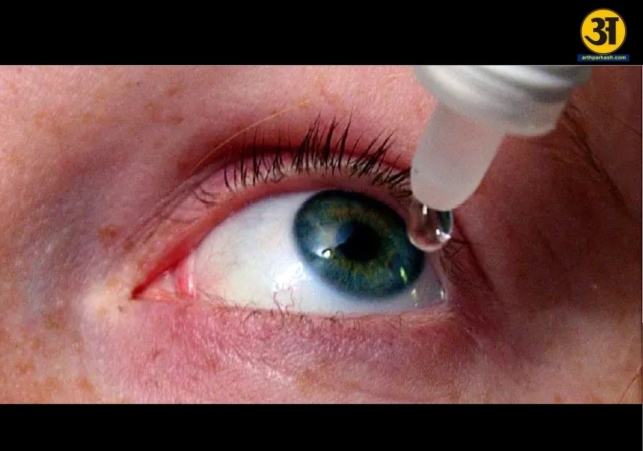
Lubricating eye drops, often called artificial tears, may provide relief for people experiencing dryness. However, experts advise using them under the guidance of an ophthalmologist, especially if frequent application is needed. Self-medicating with redness-relief eye drops is generally not recommended, as some products can worsen symptoms over time.
Contact lens users should take extra precautions during the monsoon. Proper cleaning, storage and timely replacement of lenses are essential to reduce the risk of infections. Wearing lenses for extended periods without proper hygiene can increase eye irritation and discomfort.
Another challenge during the rainy season is distinguishing dry eye disease from eye allergies. Both conditions can cause redness, watering and irritation. However, intense itching is more commonly associated with allergies. Because the treatment for these conditions differs, persistent symptoms should be evaluated by an eye specialist rather than treated with over-the-counter remedies alone.
Doctors also emphasise the importance of seeking medical attention when symptoms do not improve. Persistent dryness, severe redness, eye pain, discharge, increasing light sensitivity or blurred vision should never be ignored. Early diagnosis allows doctors to identify the underlying cause and recommend appropriate treatment before complications develop.
The monsoon may bring pleasant weather, but it can also create challenges for eye health. Frequent environmental changes, allergens, air conditioning and digital screen use can all contribute to dry eye symptoms. By maintaining proper eye hygiene, staying hydrated, limiting eye strain and seeking professional advice when needed, individuals can protect their eyes and enjoy the rainy season more comfortably.
Taking care of your eyes during seasonal changes is just as important as protecting other aspects of your health. With a few simple precautions, it is possible to reduce discomfort, maintain clear vision and keep your eyes healthy throughout the monsoon months.
Related News